
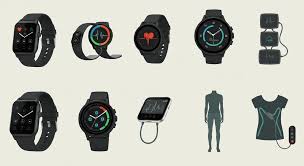
Top 7 AI-Powered Wearables for Longevity and Biohacking in 2026
Explore 2026’s top wearable biosensors revolutionizing healthcare. Discover how clinical-grade monitoring and AI tech are redefining your daily well-being.
Imagine a world where your doctor knows you are getting sick before you even feel a single symptom. Gone are the days of waiting for annual checkups or reacting only when a medical emergency strikes. Instead, 2026 brings a dynamic new era where critical medical insights are available right at your fingertips, every single day.
This rapid transformation is powered by the latest generation of wearable biosensors, which have evolved far beyond simple fitness trackers. These sophisticated devices now offer continuous, clinical-grade monitoring to ensure your physical well-being is constantly prioritized. By analyzing real-time data, they are effectively bridging the gap between daily life and professional medical diagnostics.
Are you ready to discover how these futuristic technologies will redefine your personal health journey this year? From smart contact lenses that monitor glucose to AI-driven bioelectronics, we uncover the most groundbreaking tools currently emerging in the global market. Read on to explore the top seven innovations that are set to revolutionize healthcare in 2026.
Top 7 Wearable Biosensor Innovations Revolutionizing Healthcare in 2026
The healthcare landscape of 2026 has shifted dramatically from reactive treatment to proactive management, driven largely by advanced wearable biosensors. These devices have evolved beyond simple activity trackers into medical-grade instruments capable of continuous health monitoring. By integrating real-time data collection with advanced analytics, these innovations are redefining patient care standards globally.
1. Smart Contact Lenses (SCL)
Smart Contact Lenses (SCLs) are integrating complex microcircuits to facilitate non-invasive diagnostics. In 2026, these lenses go beyond vision correction to analyze tear biomarkers continuously. This innovation enables personalized eye care and systemic health management, detecting subtle chemical changes without the need for blood draws or invasive procedures. It represents a massive leap forward for diabetic patients and those requiring constant metabolic tracking.
2. Sensimed Triggerfish® SCL
The Sensimed Triggerfish® SCL distinguishes itself as a specialized, FDA-approved device designed for specific medical applications. It offers continuous, in vivo monitoring of intraocular pressure (IOP) over 24-hour periods. This provides critical real-time data for glaucoma management, allowing ophthalmologists to develop proactive treatment strategies based on fluctuation patterns that sporadic clinical tests often miss.
3. Wearables, Biosensors & Edge AI
The synergy of wearables, biosensors, and Edge AI is critical for modern healthcare. This combination enables continuous physiological data generation with on-device intelligence. By processing data locally, these devices facilitate early anomaly detection for critical conditions such as arrhythmias, sepsis, and glucose fluctuations. This reduces latency and ensures immediate alerts for life-threatening conditions.
“In 2026, Edge AI allows for closed-loop chronic disease management, where devices not only monitor but actively assist in regulating patient health.”
4. Nano-optical Biosensors
Nano-optical biosensors are at the forefront of diagnostic innovation, providing rapid and portable solutions. These sensors are highly specific, offering precise detection capabilities ideal for multiplexed sensing platforms. Their integration into wearable applications allows for the real-time monitoring of multiple biological targets simultaneously. This significantly enhances the depth of health data available to clinicians, allowing for a more holistic view of patient health.
5. AI Treatment Guided by Biosensors
The integration of AI with biosensors is revolutionizing treatment protocols by moving away from “one-size-fits-all” medicine. This technology enables sophisticated data processing and predictive modeling based on live patient data. Consequently, it enhances the efficacy and precision of personalized therapies, adjusting treatments dynamically as the patient’s condition evolves. This ensures that medication dosages and therapeutic interventions are optimized for the individual’s current physiological state.
6. Electrochemical Biosensors
Electrochemical biosensors remain a foundational technology for many wearable devices in 2026. They offer sensitive and selective detection of various analytes, such as glucose and electrolytes. This technology is crucial for continuous monitoring and point-of-care diagnostics, ensuring that essential biomarkers are tracked accurately to prevent metabolic imbalances.
| Sensor Type | Primary Function | Key Benefit | Target Application |
|---|---|---|---|
| Smart Contact Lenses | Tear biomarker analysis | Non-invasive systemic tracking | General health & Eye care |
| Sensimed Triggerfish® | Intraocular Pressure (IOP) | Continuous 24h monitoring | Glaucoma management |
| Nano-optical | Multiplexed sensing | Rapid, specific detection | Complex diagnostics |
| Electrochemical | Analyte detection | High sensitivity | Glucose & Electrolytes |
7. AI-Driven Bioelectronics
AI-driven bioelectronics, combined with digital healthcare platforms, are creating smarter health ecosystems. These systems leverage continuous monitoring and AI interventions to deliver advanced healthcare monitoring. By connecting biological data directly to digital interventions, they facilitate truly personalized medicine that responds instantly to the physiological needs of the patient. This closes the loop between detection and treatment.
The Impact of Wearable Biosensors on Preventive Healthcare Management in 2026
By 2026, the healthcare landscape is undergoing a fundamental transformation, driven largely by the proliferation of wearable biosensors. These advanced devices are shifting the medical paradigm from reactive treatment to proactive prevention. Instead of waiting for symptoms to manifest, individuals and providers now rely on continuous data streams to maintain wellness and optimize longevity.
Continuous monitoring of physiological data allows for the early detection of subtle health changes. Wearable biosensors track metrics such as glucose levels, heart rate variability, and oxygen saturation in real-time. This granularity enables timely interventions before minor irregularities escalate into acute conditions, effectively reducing the burden on emergency services and hospital admissions.
Personalized healthcare is becoming a tangible reality as these sensors collect vast amounts of individual data. Moving towards a model of ‘smarter health,’ this technology facilitates tailored health recommendations and precise lifestyle adjustments. Users receive actionable insights specific to their biology, rather than generic medical advice.
“The integration of AI with biosensor data provides predictive analytics for disease risk assessment, empowering individuals to manage chronic conditions effectively.”
The shift in healthcare delivery models is illustrated below:
| Feature | Traditional Reactive Model | 2026 Preventive Biosensor Model |
|---|---|---|
| Timing of Care | Post-symptom appearance | Pre-symptom detection |
| Data Frequency | Episodic (during visits) | Continuous (24/7 monitoring) |
| Decision Basis | General population stats | AI-driven personalized analytics |
| Location | Clinical settings | Point-of-care (Anywhere) |
The integration of Artificial Intelligence (AI) with biosensor data provides robust predictive analytics for disease risk assessment. This synergy empowers individuals to manage chronic conditions with unprecedented accuracy, implementing effective preventive healthcare management plans based on predictive insights rather than historical guesswork.
Finally, point-of-care diagnostics facilitated by wearable technology allow for immediate health assessments outside traditional clinical settings. By decentralizing diagnostics, wearable biosensors enhance the capabilities of preventive healthcare management, ensuring that quality care is accessible anytime, anywhere.
Navigating the Future: A Buyer’s Guide to Wearable Biosensors in 2026
In the rapidly evolving landscape of 2026, selecting the right health technology requires a strategic approach. When evaluating wearable biosensors, the primary consideration must be the specific biomarkers you intend to monitor. While traditional devices focus on basic metrics like heart rate, modern options now utilize multiplexed sensing platforms. These advanced systems can simultaneously detect a complex range of analytes, from glucose and lactate to cortisol, offering a holistic view of physiological health.
Buyer’s Tip: Prioritize devices that move beyond single-metric tracking to offer comprehensive, multi-analyte detection for a complete health profile.
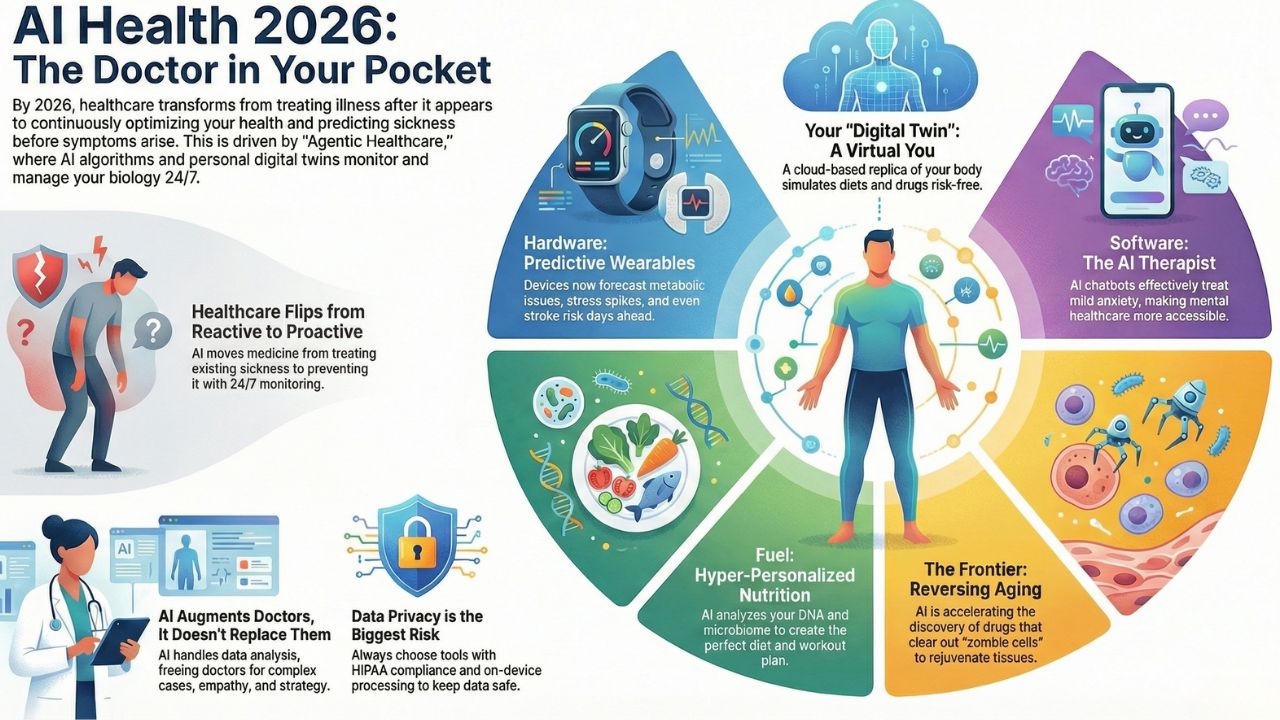
Evaluate the data integration capabilities rigorously before making a purchase. A superior device must seamlessly connect with broader digital healthcare platforms to be truly effective. It is essential to ensure the device supports AI-driven insights, which transform raw physiological data into actionable guidance for advanced healthcare monitoring. This connectivity bridges the gap between personal tracking and clinical oversight, ensuring data is accessible to healthcare providers for timely interventions.
| Feature Category | Standard Health Trackers | Advanced Biosensors (2026) |
|---|---|---|
| Target Analytes | Heart Rate, Steps, SpO2 | Glucose, Cortisol, Lactate (Multiplexed) |
| Data Processing | Cloud-Dependent Syncing | Edge AI (Real-time On-device Analysis) |
| Form Factor | Wristbands, Chest Straps | Smart Contact Lenses, Skin Patches |
| Primary Use | General Fitness Tracking | Personalized Medicine & Prevention |
Look for devices that support continuous monitoring to unlock the full potential of personalized medicine and preventive healthcare management. In 2026, the integration of Edge AI capabilities is a critical differentiator. By processing algorithms directly on the hardware, Edge AI enhances real-time analysis. This ensures that critical health alerts are generated instantly, reducing latency and dependence on constant internet connectivity for immediate feedback.
Finally, consider the form factor and user experience, as compliance is key to effective monitoring. The market has shifted toward discreet, non-invasive monitoring solutions that prioritize user comfort. Innovations such as smart contact lens technology represent the pinnacle of this trend, offering invisible yet powerful sensing. Specific discreet wearables ensure that health management integrates seamlessly into daily life without the burden of bulky hardware.
FAQ (Frequently Asked Questions)
Q1: What is the primary advantage of wearable biosensors in 2026?
A1: Wearable biosensors in 2026 offer continuous, real-time health monitoring, enabling early detection of potential issues and proactive management of health conditions.
Q2: How do smart contact lenses function as biosensors?
A2: Smart contact lenses analyze tear biomarkers to monitor systemic health indicators like glucose levels non-invasively. They integrate microcircuits for continuous analysis.
Q3: What role does Edge AI play in wearable biosensors?
A3: Edge AI enables on-device data processing for immediate anomaly detection and alerts, reducing latency and improving the responsiveness of health monitoring systems.
Q4: Are these advanced biosensors suitable for managing chronic diseases?
A4: Yes, AI-driven biosensors are ideal for chronic disease management, providing personalized insights and dynamic treatment adjustments based on continuous physiological data.
Q5: What should I look for when buying a wearable biosensor in 2026?
A5: Prioritize devices with multi-analyte detection, seamless data integration, Edge AI capabilities, and a user-friendly, discreet form factor for effective health management.
Conclusion
The year 2026 represents a definitive turning point for wearable biosensors, driving a massive shift from reactive treatments to continuous, preventive strategies. These cutting-edge innovations provide critical real-time data, making personalized healthcare more accurate and accessible than ever before. By seamlessly tracking vital signs, this technology fundamentally secures the foundation of modern medical advancement.
As these sophisticated tools mature, you must actively explore how wearable biosensors can empower you to take full control of your daily health management. It is essential to utilize the AI-driven insights provided by these devices to make smarter, proactive decisions for your long-term well-being. Engaging with this technology now ensures you remain ahead of potential health risks.
Embrace the promising future of healthcare in 2026 by investing in high-quality wearable biosensor technology for a healthier, more informed tomorrow. By adopting these powerful solutions today, you equip yourself with the necessary knowledge to lead a vibrant and active life. Take the first step toward a smarter health journey and unlock your full potential immediately.
Reference: https://vertu.com/guides/
- What to Know About Being Unable to Control Emotions

- Top 7 AI-Powered Wearables for Longevity and Biohacking in 2026
- Beginner’s guide to cryptocurrency trading strategies

- Hippies: The 1960s Youth Movement That Redefined Freedom, Peace, and Love

- What is soft skill? Definition, Importance, and Examples

- Get Your Vitamin P: Why Pleasure Matters When It Comes to What You Eat

Thanks
고맙습니다 💌
With deep gratefullness…