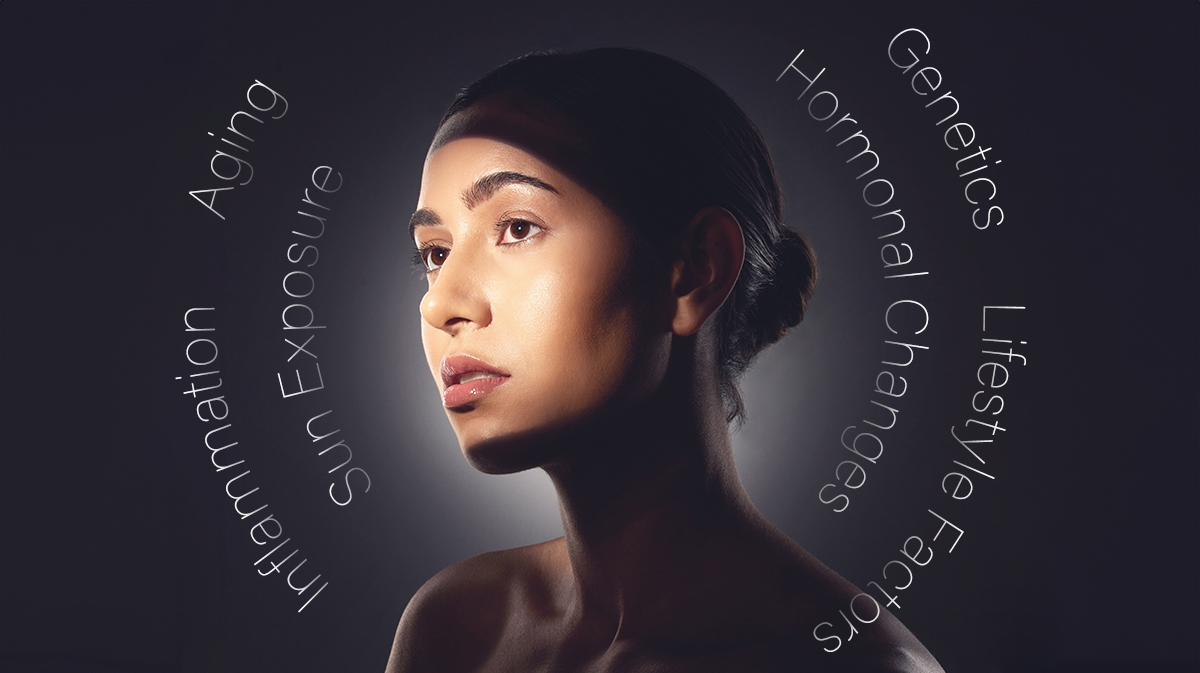
Causes, Treatments, and Effective Skincare Tips
What is Acne?
Acne is a common skin condition that affects millions of people worldwide. It occurs when pores become clogged with oil, dead skin cells, and bacteria, leading to pimples, blackheads, whiteheads, and sometimes cysts. Acne is most common on the face, chest, back, and shoulders, and it can affect people of all ages.
Causes of Acne
Understanding the root causes of acne is key to effective management:
- Hormonal Changes – Puberty, menstruation, pregnancy, and hormonal imbalances can increase sebum production.
- Excess Oil (Sebum) Production – Overactive oil glands can block pores.
- Bacterial Infection – Propionibacterium acnes bacteria can inflame clogged pores.
- Diet and Lifestyle – High sugar intake, greasy foods, and stress may contribute to flare-ups.
- Genetics – Acne can run in families.
- Certain Medications – Corticosteroids, lithium, and some hormonal treatments can trigger acne.
Types of Acne
Acne can vary in severity and appearance:
- Comedonal Acne: Includes blackheads and whiteheads.
- Inflammatory Acne: Papules (small red bumps) and pustules (pus-filled pimples).
- Severe Acne: Nodules and cysts that are deeper and may cause scarring.
Effective Acne Treatments
1. Topical Treatments
- Benzoyl Peroxide: Reduces bacteria and unclogs pores.
- Salicylic Acid: Helps exfoliate dead skin and clear blocked pores.
- Retinoids: Promote skin cell turnover to prevent new pimples.
2. Oral Medications
- Antibiotics: Doxycycline and minocycline reduce bacteria and inflammation.
- Hormonal Therapy: Oral contraceptives can balance hormones in women.
- Isotretinoin: Reserved for severe or cystic acne under medical supervision.
3. Skincare and Lifestyle Tips
- Wash face twice daily with a gentle cleanser.
- Avoid harsh scrubs or over-washing the skin.
- Moisturize with non-comedogenic lotions.
- Maintain a balanced diet and stay hydrated.
- Manage stress through mindfulness or exercise.
4. Professional Procedures
- Chemical Peels – exfoliate and improve skin texture.
- Laser Therapy – reduce inflammation and scars.
- Dermatologist Extraction – safely remove stubborn blackheads and whiteheads.
Home Remedies for Acne
Some natural remedies can complement treatment:
- Honey & Turmeric Mask: Antibacterial and anti-inflammatory.
- Aloe Vera Gel: Soothes irritation and redness.
- Tea Tree Oil (Diluted): Helps reduce pimples.
- Green Tea Compress: Antioxidants calm inflammation.
Tip: Avoid squeezing pimples to prevent scars and infection.
Daily Skincare Routine for Acne
Morning:
- Cleanse with gentle face wash
- Apply acne treatment (topical cream or gel)
- Moisturize with non-comedogenic lotion
- Apply sunscreen
Evening:
- Cleanse again gently
- Apply topical treatment
- Moisturize
Weekly:
- Exfoliate 1–2 times with a mild scrub
- Optional face mask (clay or soothing masks)
When to See a Dermatologist
If acne is severe, persistent, or causes scarring, it is essential to consult a dermatologist. Early treatment helps prevent permanent scars and improves skin health.
Conclusion:
Acne is common, but with the right treatment, skincare routine, and lifestyle habits, it can be managed effectively. Incorporate gentle skincare, healthy habits, and professional advice when needed to achieve clearer, healthier skin.
- Wang Yibo – Biography, Career, and Latest Activities (2025 Update)
- Best Skincare Routine for Beginners
- Top 5 Small Business Ideas for Beginners
- 7 Daily Habits That Will Change Your Life (Simple Self-Improvement Guide)
- 10 Useful Smartphone Tips You Should Know (Improve Your Daily Life)
- Causes, Treatments, and Effective Skincare Tips
